Welcome to my blog post about dieting dos and don’ts! If you’re looking for guidance on what you should (and shouldn’t) be eating on your diet plan, then you’ve come to the right place. Let’s get started!

Introduction to Dieting Dos and Don’ts
Dieting can be a tricky business, especially if you’re new to it. There are so many different fad diets out there that promise quick results but often fail to deliver in the long run. That’s why it’s important to stick to some basic guidelines when it comes to what you should (and shouldn’t) be eating on your diet plan. In this section, we’ll cover some general tips that will help set you up for success.
What You Should Be Eating on Your Diet Plan
So, what should you be eating on your diet plan? The answer is simple: a balanced diet that includes plenty of whole foods like fruits, vegetables, lean proteins, healthy fats, and complex carbohydrates. This means staying away from processed foods, sugary drinks, and other unhealthy choices that can derail your progress. Here are some specific examples of things you should be including in your diet:
Lean protein sources like chicken breast, fish, and turkey
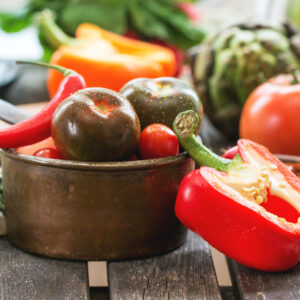
Colorful fruits and veggies like berries, leafy greens, and bell peppers
Healthy fats like avocado, nuts, and olive oil
Complex carbs like quinoa, brown rice, and sweet potatoes
Common Mistakes People Make When Dieting
Even with the best intentions, people sometimes make mistakes when they’re trying to lose weight. Here are some common pitfalls to watch out for:
Cutting calories too drastically: While cutting back on calories is necessary for weight loss, going overboard can lead to fatigue, hunger, and even muscle loss. Aim for a moderate reduction in calories instead.
Not getting enough protein: Protein is essential for building and maintaining muscle mass, which is crucial for weight loss success. Make sure you’re getting enough high-quality protein sources in your diet.
Ignoring portion sizes: Even healthy foods can cause weight gain if consumed in large portions. Pay attention to how much you’re eating and try to stick to reasonable serving sizes.
Conclusion: Summing Up the Importance of a Balanced Diet
In conclusion, the key to successful dieting is to eat a balanced diet that includes a variety of nutritious foods. Stay away from processed junk and focus on whole, natural ingredients instead. Remember not to cut calories too severely, get enough protein, pay attention to portion sizes, and be mindful of common dieting mistakes. By following these guidelines, you’ll be well on your way to achieving your weight loss goals and living your healthiest life yet!